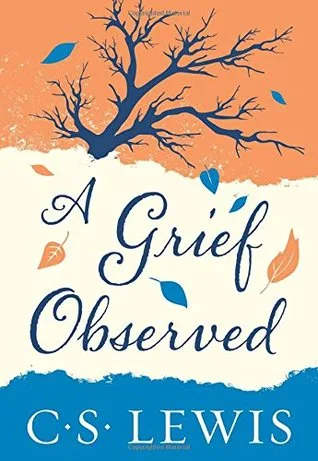
C.S. Lewis wrote this collection of reflections as a private journal following the death of his wife, Joy Davidman. The text documents his internal collapse, specifically how the physical absence of his partner shattered his intellectual understanding of God. He describes faith not as a static building, but as a house of cards that falls when tested by actual agony. Lewis records his anger toward a seemingly silent deity, his fear that memory distorts the true face of the deceased, and his eventual realization that grief is a repetitive process rather than a singular event.
This book serves individuals experiencing the raw disorientation of bereavement or those questioning the compatibility of suffering and religious belief. Readers find a portrait of honest doubt that refuses to offer easy theological justifications for pain. Instead of providing instructions for healing, the narrative provides a vocabulary for the messiness of loss. A reader walks away with a recognition of their own symptoms within Lewis’s observations, finding a shared language for the isolation that typically follows a death.
Deep, inward-looking, contemplative and open-ended; a moderate read.
Best for readers like The Mindful Reader. Which reader are you?
- Published
- 1961
- Language
- EN