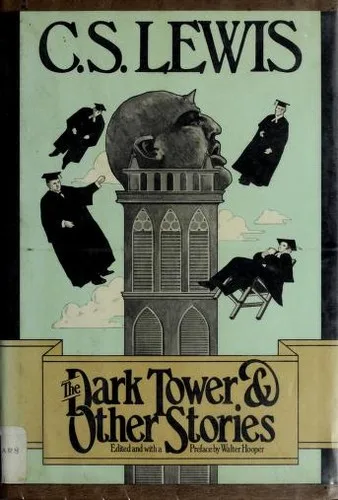
A narrator boards a flying bus in a grey, rainy city and travels to the foothills of Heaven. Upon arrival, the passengers appear as transparent ghosts, while the inhabitants of the higher realm are solid and heavy. The story presents a series of dialogues between these ghosts and "Bright Spirits" who invite them to stay. The visitors refuse basic joy because they prefer their earthly grievances, such as intellectual vanity, possessive love, or nursing a sense of injustice. Lewis argues that Hell is a state of mind where the soul chooses its own misery over the demands of reality.
Readers interested in Christian apologetics and the nature of free will choose this book to examine how small habits shape the human character. It appeals to those who want a concrete depiction of morality that focuses on the internal psychology of choice rather than abstract punishment. The reader leaves with a framework for identifying how pride or self-pity can prevent personal growth. It provides a visual metaphor for the idea that the gates of Hell are locked from the inside.
Deep, inward-looking, contemplative and thought-provoking; a moderate read.
Best for readers like The Mindful Reader. Which reader are you?
- Published
- 1946
- Language
- EN