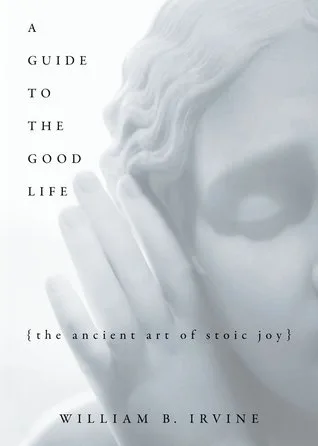
William B. Irvine translates the philosophy of Roman Stoics like Seneca, Epictetus, and Marcus Aurelius into a practical system for modern living. He argues that most people lack a coherent philosophy of life, leading them to waste their years chasing material status and fleeting pleasures. Irvine introduces specific psychological techniques to counter this, including negative visualization to prevent hedonic adaptation and the trichotomy of control to minimize anxiety over external events. He positions Stoicism not as a method for suppressing emotion, but as a framework for achieving tranquility and minimizing negative feelings such as anger and grief.
Individuals seeking a logical approach to emotional stability read this book to gain a toolkit for mental resilience. It appeals to those frustrated by chronic dissatisfaction who want concrete methods to appreciate what they already possess. Readers walk away with a daily practice for evaluating their reactions to setbacks and a strategy for maintaining composure in social interactions. The book provides a clear blueprint for reducing psychological distress and focusing energy exclusively on personal character and internal choices.
Insights from A Guide to the Good Life: The Ancient Art of Stoic Joy
“The easiest way for us to gain happiness is to learn how to want the things we already have.”
Living as if today is your last day sounds scary. It actually makes the morning coffee taste much better.
“Your goal should be to do your best to win, while being prepared to lose with grace.”
Sticking to a few core values creates a quiet kind of freedom. You stop caring about things that are outside your control.
Imagine losing everything you love for just a second. It sounds dark but it makes you hug your friends a little tighter.
“We should be careful to choose as our friends people who are less likely to be sources of distress.”
Most of our stress comes from people who don't even matter to us. Realizing their opinions have no power over our character is a relief.
- Published
- 2008
- Language
- EN