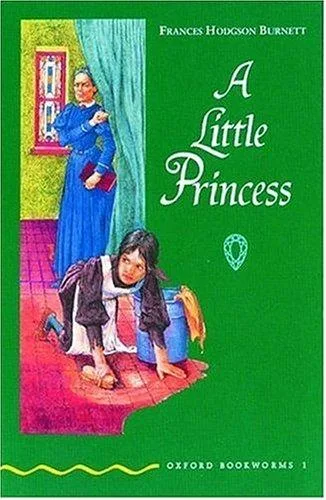
Sara Crewe arrives at Miss Minchin’s London boarding school as a pampered heiress, but her status vanishes instantly when her father dies in India, leaving no inheritance. Stripped of her fine clothes and possessions, Sara is relegated to a freezing attic and forced to work as a servant for the school. She relies on her vivid imagination and internal moral code to survive poverty and hunger. By pretending she is a secret princess, she maintains her composure and displays kindness toward other marginalized characters, such as the young scullery maid Becky, despite her own dire circumstances.
Children and fans of classic Victorian literature read this book to observe how a character uses mental discipline to navigate sudden social collapse. The story provides a template for maintaining personal integrity and empathy when faced with cruelty or a loss of material comfort. Readers walk away with a perspective on how internal character and the power of storytelling can provide a defense against external hardship. The narrative concludes with a reversal of fortune that rewards Sara’s steadfast refusal to let her environment dictate her behavior.
Practical and clear-cut; an easy read.
Best for readers like The Curious Generalist. Which reader are you?
Insights from A Little Princess
“If you can't be a princess in a palace, you can be a princess in a garret.”
Sara CREATES her own reality when the attic gets cold. She treats a hard floor like a palace rug because her mind is the only thing she truly owns.
“She is hungrier than I am.”
Kindness feels like a choice until you have nothing left. Watching Sara give her last bread to a beggar girl shows that true character isn't about what you have.
Miss Minchin isn't just mean. She is terrified of anything she cannot control or buy. Her cruelty comes from a deep, hollow place inside her own heart.
“Everything is a story. You are a story. I am a story.”
Imagination acts as a literal shield against hunger. Sara tells herself stories to keep her stomach from growling. It is survival, not just play.
- Published
- 1905
- Publisher
- Penguin Books
- ISBN
- 9780142437018
- Language
- EN