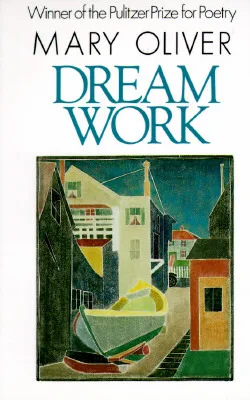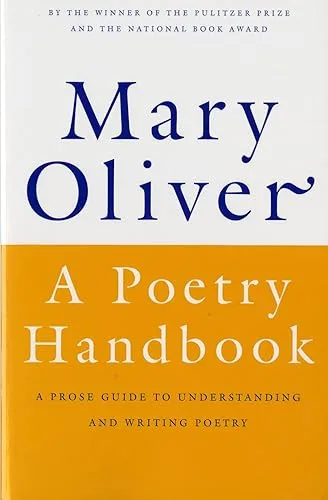
In this technical manual, Mary Oliver breaks down the mechanics of verse construction, focusing on the architectural elements that build a poem. She provides specific instruction on the function of various meters, the sonic qualities of vowels and consonants, and the structural differences between closed forms and free verse. The text explains how line breaks control tempo and how imagery functions as a precise tool rather than a decorative flourish. Oliver utilizes excerpted examples from poets like Elizabeth Bishop and Robert Frost to demonstrate how specific rhythmic choices influence the reader's physical and emotional response to the page.
This guide serves practitioners and students of the craft who need a clear vocabulary for discussing and refining their work. Writers read it to move past intuition and gain a functional understanding of prosody and poetic tradition. By studying these chapters, a reader acquires a concrete toolkit for making deliberate decisions about sound, pace, and diction. The book provides the fundamental constraints and rules necessary for a poet to transition from haphazard composition to the disciplined execution of their artistic intent.
Balanced in tone; a moderate read.
Best for readers like The Story Seeker. Which reader are you?
- Published
- 1994
- Language
- EN