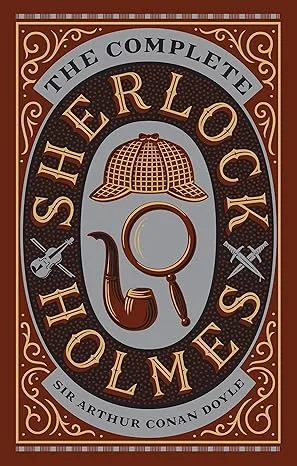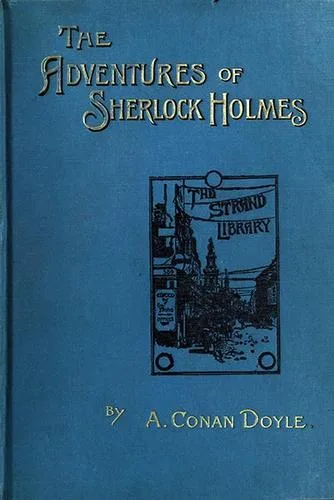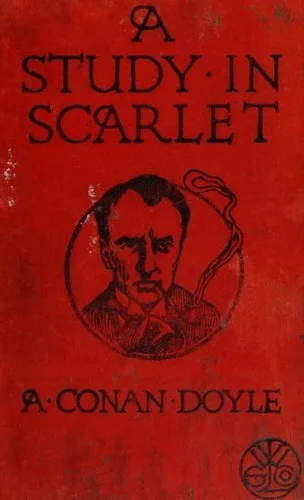
The story begins when Dr. John Watson, a wounded army surgeon returning from the Second Anglo-Afghan War, meets the eccentric private investigator Sherlock Holmes. They share rooms at 221B Baker Street, where Watson observes Holmes practicing his method of logical deduction. The narrative centers on a corpse found in an abandoned house with no visible wounds, except for the word "RACHE" scrawled in blood on the wall. Holmes utilizes forensic science and back-tracking footprints to identify a suspect. This leads to a second-act shift detailing a years-long revenge plot rooted in a pioneer settlement in Utah involving the Mormon community and the death of a woman named Lucy Ferrier.
This book serves readers interested in the structural origins of the detective procedural. It appeals to those who value logic, observation, and the application of scientific rigor to human puzzles. Readers finish the text with an understanding of the "science of deduction," a framework that prioritizes minute physical evidence over circumstantial intuition. The audience gains a perspective on how Victorian-era forensic observation differs from modern methods, while seeing the initial development of the partnership between a rationalist and his chronicler.
Clear-cut and escapist; a moderate read.
Best for readers like The Curious Generalist. Which reader are you?
- Published
- 1887
- Language
- EN