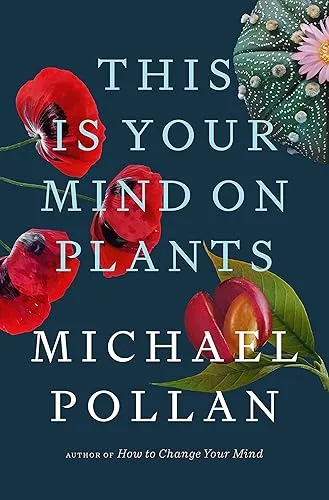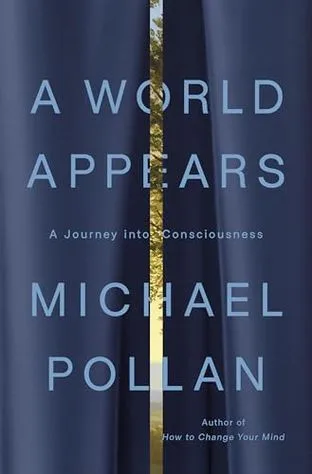
Michael Pollan examines the biological and philosophical nature of consciousness by analyzing how the human mind constructs a perceived reality. He investigates the intersection of sensory data, chemistry, and cognitive processing to show how various substances and mental states alter our internal landscape. The text tracks historical scientific theories alongside modern neurological research to map how we distinguish between objective surroundings and neurological projections. Pollan specifically details the mechanisms by which plants and chemical compounds interact with human brain receptors to shift our sense of self and time.
Science enthusiasts and those curious about cognitive psychology read this work to understand the mechanical functions behind subjective experience. Readers gain a technical perspective on how neural pathways filter environmental stimuli to create a stable world. The book provides a framework for understanding how physical changes in brain chemistry directly dictate our grasp of reality. By the conclusion, the reader understands the specific biological processes that allow the mind to interpret and organize the external world into a coherent conscious experience.
Insights from A WORLD APPEARS
Watching a seed grow makes time feel different. It forces a slower pace that doesn't exist in the rest of life.
Soil is a crowded city full of microbes. We treat it like dirt but it is actually a massive digestive system for the planet.
Trees in a forest aren't just standing there. They share nutrients through underground networks to keep the weaker ones alive.
We think we are the masters of the yard. Really we are just another tool that plants use to spread their seeds.
- Published
- 2026
- Publisher
- Penguin Press
- ISBN
- 9781984881991
- Language
- EN