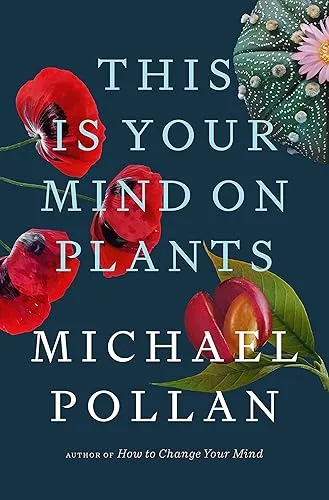
Michael Pollan examines the human relationship with three distinct plant-derived psychoactive substances: opium, caffeine, and mescaline. He analyzes how society categorizes these chemicals, contrasting the legal acceptance of the world’s most used stimulant with the historical criminalization of poppy cultivation and the sacred indigenous traditions surrounding the San Pedro and peyote cacti. Through personal cultivation experiments and participation in ceremonies, Pollan documents the physiological impact of these molecules on the brain and the cultural frameworks that determine which altered states of consciousness are deemed productive or illicit.
Readers interested in the intersection of ethnobotany and neurology read this to understand the biological mechanisms behind their daily coffee rituals and the history of drug prohibition. The text provides a clear look at how synthetic imitations differ from natural plant precursors and how chemistry shapes human history. Readers gain a perspective on why certain plants were instrumental in building the modern workforce while others were suppressed due to their perceived threat to social order.
- Published
- 2021
- Language
- EN
More by Michael Pollan
See all →

Readers also enjoyed