In this collection, George Orwell analyzes the inevitable intersection of political commitment and creative expression. He examines specific literary figures like Charles Dickens and Henry Miller to demonstrate how an author’s class background and moral outlook dictate their narrative choices. Orwell rejects the notion of aesthetic detachment, arguing that all creators possess a partisan bias that shapes their work. The text includes his assessments of the Spanish Civil War’s impact on journalism, the decline of the English murder mystery, and the linguistic degradation found in contemporary political rhetoric.
Historians, literary students, and writers read this book to understand how ideology functions within popular culture and high art. The essays provide a framework for identifying underlying social agendas in texts that appear neutral. Readers walk away with a sharper ability to spot propaganda in daily discourse and a clearer perspective on the writer's responsibility to objective truth. The collection serves as a manual for critical thinking, teaching the audience to dismantle the structural prejudices inherent in both literature and political policy.
- Published
- 1941
- Language
- EN
Quotes by George Orwell
More →Who controls the past controls the future. Who controls the present controls the past.
1984
All animals are equal, but some animals are more equal than others.
Animal Farm
In a time of deceit, telling the truth is a revolutionary act.
More by George Orwell
See all →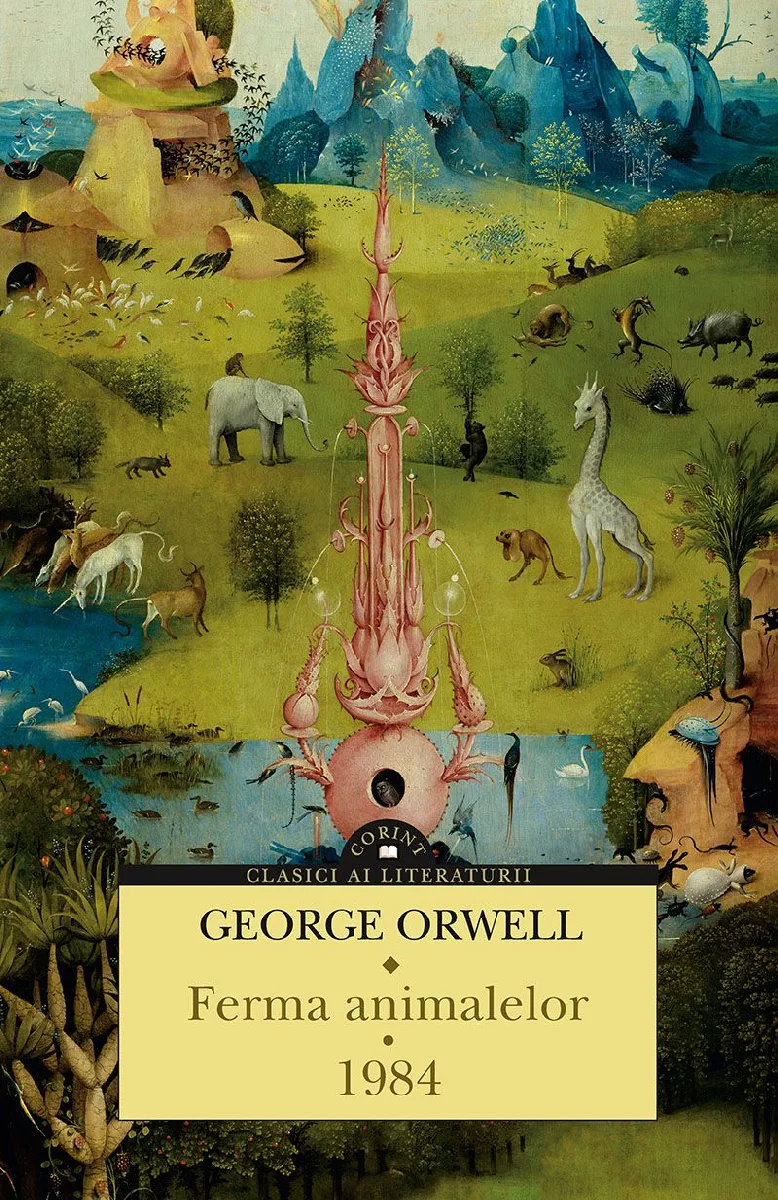
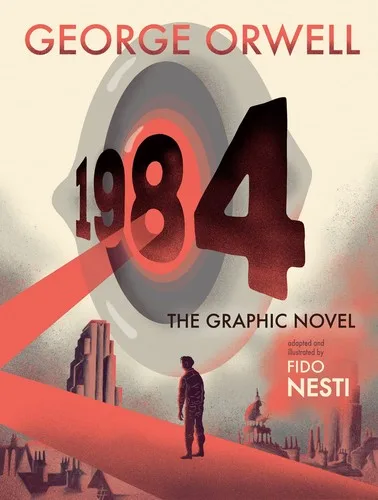
Readers also enjoyed