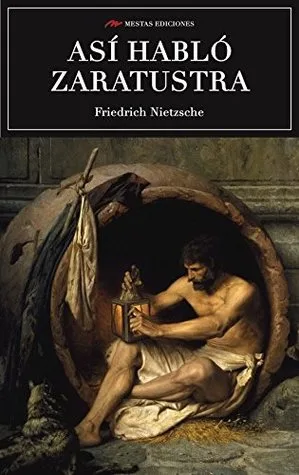
Zarathustra, a mountain-dwelling hermit, descends to humanity to declare the death of God and the end of traditional Christian morality. He advocates for the overman—a self-mastered individual who creates original values rather than following inherited herds. The narrative follows his travels through various cities as he teaches the doctrine of eternal recurrence, demanding that individuals live as if they would repeat every moment of their lives forever. Through parables and poetic sermons, Zarathustra rejects asceticism and pity, instead praising the will to power as the fundamental psychological drive governing human behavior.
This text attracts readers interested in individual autonomy and the psychological reconstruction of the self after a loss of religious faith. It serves as a study for those seeking to understand how to build a personal ethical framework without external divine authority. Readers finish the book with a perspective focused on radical self-overcoming and the responsibility of defining one’s own purpose. It appeals to those who prefer philosophical arguments presented through allegorical storytelling rather than dry technical prose.
- Published
- 1883
- Language
- EN
Quotes by Friedrich Nietzsche
More →The snake which cannot cast its skin has to die. As well the minds which are prevented from changing their opinions; they cease to be mind.
Daybreak
He who has a why to live for can bear almost any how.
Twilight of the Idols
And those who were seen dancing were thought to be insane by those who could not hear the music.