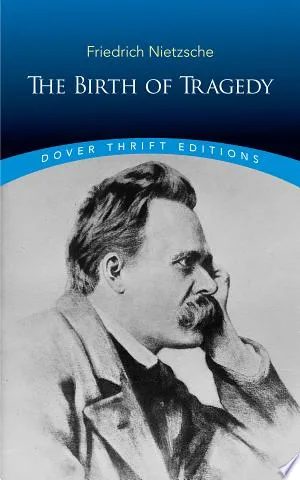
In this philosophical debut, Nietzsche analyzes the origins of Greek drama through the tension between two opposing creative forces: the Apollonian and the Dionysian. He identifies the Apollonian as the drive toward order, clarity, and rational boundaries, represented by plastic arts and epic poetry. Conversely, the Dionysian embodies communal ecstasy, musical intoxication, and the collapse of individual identity. Nietzsche argues that the highest form of Attic tragedy emerged from the synthesis of these impulses, allowing audiences to confront the inherent suffering of existence through a protective aesthetic framework.
Students of aesthetics and classical philology study this text to understand how art functions as a justification for life. Readers learn to identify the psychological conflict between rigid structure and chaotic instinct within cultural productions. By following Nietzsche’s critique of Socratic rationalism, the reader gains a framework for evaluating why modern culture often lacks the visceral vitality of ancient theater. The book provides a technical vocabulary for analyzing the relationship between musical expression and dramatic representation, leaving the reader with a distinct perspective on the biological roots of artistic creation.
- Published
- 2012
- Publisher
- Courier Corporation
- ISBN
- 9780486111445
- Language
- EN
Quotes by Friedrich Nietzsche
More →The snake which cannot cast its skin has to die. As well the minds which are prevented from changing their opinions; they cease to be mind.
Daybreak
He who has a why to live for can bear almost any how.
Twilight of the Idols
And those who were seen dancing were thought to be insane by those who could not hear the music.