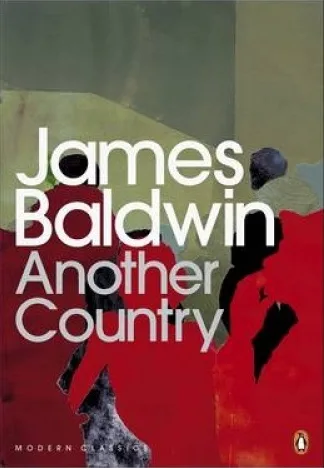
Set in mid-century Greenwich Village and Harlem, the narrative begins with the suicide of Rufus Scott, a Black jazz percussionist broken by poverty and a volatile interracial relationship. His death forces a small circle of friends—including his sister Ida, the struggling novelist Vivaldo, and the unhappily married Cass—to confront their own prejudices and betrayals. The story tracks their attempts to bridge gaps of skin color, social class, and sexual orientation through a series of intense, often destructive romantic entanglements. Baldwin documents the friction between private desire and a restrictive public morality that punishes non-conformity.
Readers interested in the history of American civil rights and the evolution of queer literature turn to this work for its blunt depiction of systemic inequality. It attracts those seeking a study of how racial resentment and gender expectations fracture personal intimacy. The reader gains a visceral understanding of the psychological toll exacted by a segregated society. They finish the book with a clear view of the emotional barriers that prevent genuine connection between people of different backgrounds, even when they claim to love one another.
Insights from Another Country
“He had been journeying at the speed of light, away from them.”
Rufus jumps off that bridge and the ghost of him stays in every room. Everyone left behind just keeps bruising the people they try to love.
“You don't know that most people don't have any handles.”
Vivaldo tries so hard to be a good white friend. He still can't see the world that killed Rufus even when he's looking right at it.
“I'm just a woman, Rufus. I'm just a woman.”
Leona just wanted to love a man. She ended up in a mental ward because white society couldn't handle her choice.
“You don't know anything about me.”
Ida has every right to be angry. Her brother is dead and these bohemians treat his life like a sad song they can hum.
- Published
- 1962
- Publisher
- PENGUIN
- ISBN
- 9780141186375
- Language
- EN