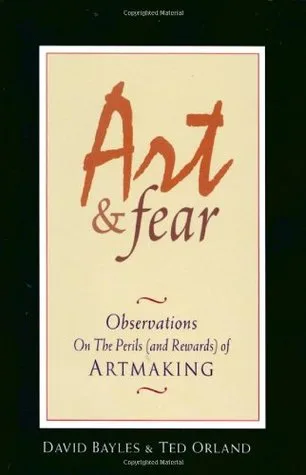
David Bayles and Ted Orland address the psychological hurdles inherent in the creative process, focusing on why many artists quit. The authors separate the making of art from its public reception, arguing that technical skill develops through consistent, high-volume production rather than waiting for inspiration. They analyze specific internal obstacles such as perfectionism, the fear of self-exposure, and the paralysis caused by comparing one's current abilities to a visionary ideal. The text emphasizes that art is a physical task requiring routine and the acceptance of flawed early attempts.
This guide targets painters, writers, and students who find themselves stuck in cycles of procrastination or self-doubt. Readers use these strategies to re-establish a daily practice and lower the stakes of individual projects. By the end, the reader understands how to manage the social pressures of the gallery system and the professional world. They gain a practical framework for identifying the specific anxieties that stall their work, allowing them to maintain long-term productivity and navigate the inevitable frustrations of the studio.
Inward-looking; an easy read.
Best for readers like The Empathetic Explorer. Which reader are you?
- Published
- 1994
- Language
- EN