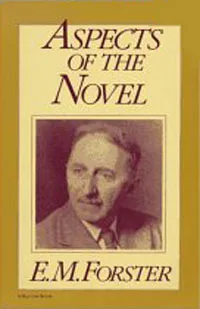
Based on a series of lectures delivered at Cambridge, E.M. Forster categorizes the mechanics of fiction into seven distinct elements: story, people, plot, fantasy, prophecy, pattern, and rhythm. He argues that while a story merely chronicles events in chronological order, a plot establishes causality. Forster introduces the influential distinction between flat characters, who are built around a single idea, and round characters, who possess the capacity to surprise the reader. He examines how rhythm provides internal harmony to a narrative through repetition and variation.
Literary students and aspiring novelists read this text to understand the technical architecture governing prose fiction. It provides a vocabulary for analyzing how authors balance the demands of chronological storytelling with the depth of character development. Readers walk away with specific tools to differentiate between types of narrative structures and an understanding of how a novelist manipulates time and perspective. The book functions as a technical guide for identifying why certain plots fail to achieve emotional depth while others maintain complex internal logic.
- Published
- 1927
- Language
- EN