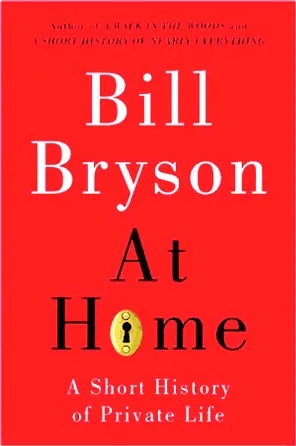
At Home: A Short History of Private Life
Bill Bryson uses his 1851 Norfolk rectory as a physical map to trace how the modern domestic world evolved. Each room serves as a catalyst for a historical investigation: the kitchen initiates a study of the spice trade and food safety, the bedroom examines the evolution of sleep and contagious disease, and the bathroom documents the slow progress of personal hygiene and waste management. He connects minor architectural details to significant shifts in technology, agriculture, and global commerce, showing how the design of a window or the height of a ceiling reflects centuries of tax laws and social stratification.
This text attracts readers of social history who prefer learning through material culture rather than political chronologies. It appeals to those curious about why human surroundings look the way they do and how physical comfort became a standard expectation. Readers walk away with a functional understanding of the inventions and accidents that shaped private existence, gaining the ability to identify historical influences within the physical structure of their own houses. It provides a granular look at the labor and innovations that transitioned society from medieval scarcity to contemporary convenience.
Outward-looking and clear-cut; a moderate read.
Best for readers like The Evidence Seeker. Which reader are you?
- Published
- 2010
- Language
- EN