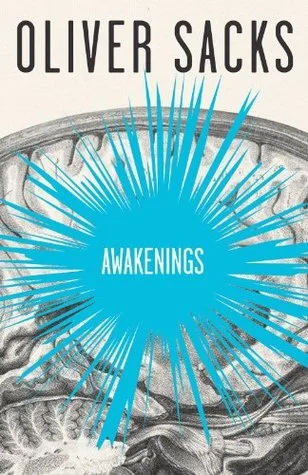
Oliver Sacks documents the clinical histories of twenty patients at Mount Carmel Hospital who survived the 1918 encephalitis lethargica epidemic. These individuals remained in a frozen, parkinsonian state for decades until 1969, when Sacks administered the experimental drug L-Dopa. The text details their sudden return to consciousness and movement, followed by the unpredictable emergence of tics, seizures, and psychological instability as the medication’s effects fluctuated. Sacks uses these case studies to analyze the relationship between neurobiology and the individual sense of self, arguing that health involves a complex physiological equilibrium.
Neurologists, medical students, and readers interested in the mechanics of the human brain read this book to understand the limitations of chemical interventions in chronic illness. It appeals to those studying the history of medicine and the ethical challenges of treating long-term disability. Readers gain a technical perspective on dopamine’s role in motor control and a deeper realization of how biological disruptions alter a person's perception of time and agency. The narrative provides a framework for viewing patients as individuals rather than a collection of neurological symptoms.
- Published
- 1973
- Language
- EN