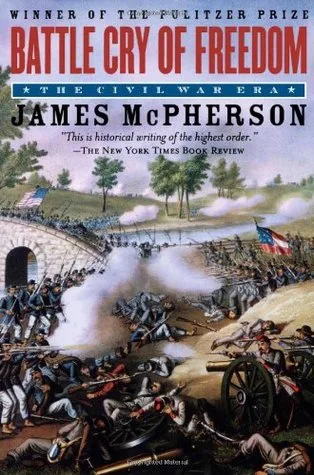
James McPherson traces the intersection of political collapse and military strategy from the 1846 Mexican-American War through the Confederate surrender at Appomattox. He argues that the conflict was a struggle to define the concept of liberty, contrasting the South’s focus on the right to own property with the North’s evolving commitment to universal emancipation. The narrative integrates the legislative battles of the 1850s, such as the Kansas-Nebraska Act, with detailed accounts of major campaigns like Vicksburg and Gettysburg to show how battlefield outcomes dictated federal policy.
This book serves students and historians seeking a single-volume synthesis of the nineteenth-century American landscape. Readers gain a technical understanding of high-command decisions and the logistical challenges of total war. They walk away with a clear grasp of how shifting maritime blockades, international diplomacy, and the abolition of slavery redirected European intervention and ultimately ensured the survival of the federal union. By the final chapter, the reader understands the structural changes that moved the United States from a collection of states to a centralized nation.
- Published
- 1988
- Language
- EN
More by James M. McPherson
See all →
Readers also enjoyed