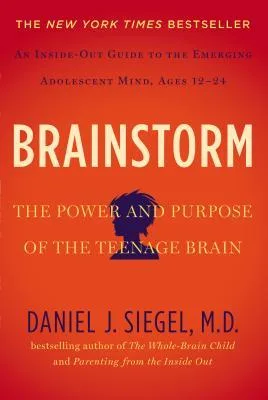
In this book, psychiatrist Daniel Siegel challenges the narrative that adolescence is merely a period of maturity to be endured. He introduces the "ESSENCE" framework, which identifies four primary characteristics of the teenage brain: emotional spark, social engagement, novelty seeking, and creative exploration. Siegel explains how changes in the dopamine reward system and the remodeling of the prefrontal cortex via synaptic pruning and myelination drive risk-taking behaviors. He argues that the loss of gray matter and the strengthening of white matter integrated between brain regions allow teenagers to transition from literal thinking to conceptual abstractions, a process necessary for independence.
Parents, educators, and adolescents read this work to understand the physiological roots of conflict and intense emotion during the second decade of life. The text provides practical tools called "mindsight" exercises, which are designed to increase self-awareness and emotional regulation. Readers walk away with a scientific basis for why teenagers prioritize peer connections over family safety nets. By viewing the teenage brain as a specialized stage of development rather than a broken adult brain, readers learn to navigate social hyper-rationality and impulsivity with concrete communication strategies and increased empathy.
- Published
- 2011
- Language
- EN
More by Daniel J. Siegel
See all →