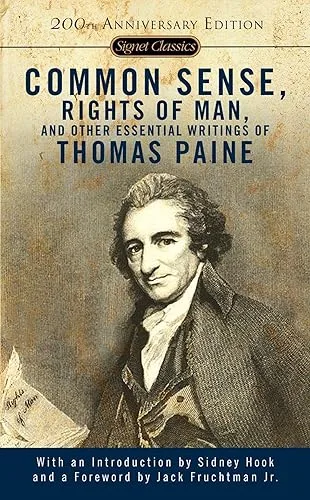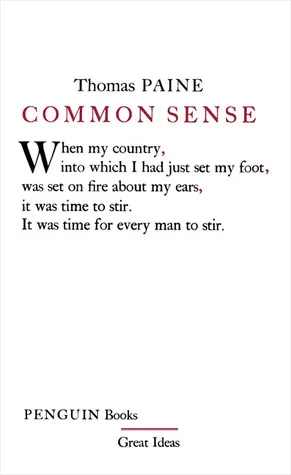
Thomas Paine argues that monarchy is an unnatural form of government that violates human equality and reason. He rejects the British constitution, specifically analyzing the failures of the king and parliament to protect colonial interests. The text outlines a structural case for American independence, detailing the logistical advantages of the colonies, such as their shipbuilding capacity and natural resources. Paine proposes a representational continental charter to replace hereditary rule, emphasizing that a small island cannot indefinitely govern a vast continent based on historical precedent or divine right.
This book serves students of political theory and historians of the American Revolution. Readers utilize this text to understand the shift from colonial reconciliation to radical republicanism. It provides a clear framework for how Enlightenment philosophy translates into direct political action and institutional design. A reader walks away with a concrete understanding of the eighteenth-century arguments against monarchy and the specific grievances that fueled the transition toward a self-governing republic.
Outward-looking and clear-cut; a moderate read.
Best for readers like The Evidence Seeker. Which reader are you?
- Published
- 1776
- Language
- EN
Quotes by Thomas Paine
More →That government is best which governs least.
Common Sense