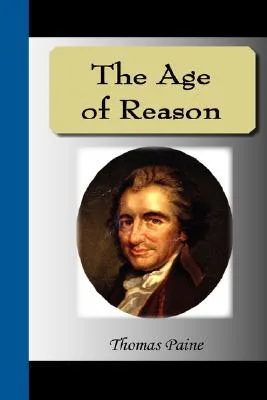
Thomas Paine critiques institutionalized religion and the divine authority of the Bible. He promotes Deism, the belief in a creator based on the observation of the natural world rather than supernatural revelation. Paine examines the Old and New Testaments to highlight logical contradictions, historical inconsistencies, and moral failings within the texts. He rejects the concept of miracles and prophecies, arguing that true faith should align with human reason and scientific discovery. The text identifies the universe itself as the only authentic word of God, accessible to all people through intellect.
This book serves readers interested in the Enlightenment-era shift from orthodoxy to rational inquiry. Secularists and historians study it to understand the intellectual foundations of the separation of church and state and the rise of freethought. A reader gains a systematic framework for questioning religious dogmas and an understanding of how 18th-century political principles applied to theology. The work provides a historical perspective on the friction between traditional clerical power and individual skepticism.
Deep; a moderate read.
Best for readers like The Deep Diver. Which reader are you?
- Published
- 1794
- Language
- EN
Quotes by Thomas Paine
More →That government is best which governs least.
Common Sense