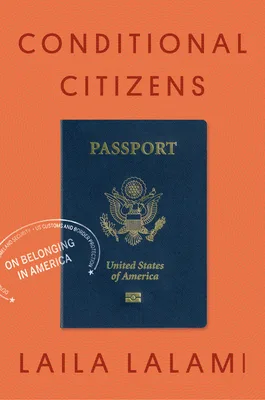
Laila Lalami analyzes the hierarchy of American citizenship, arguing that legal naturalization does not grant equal status to all individuals. Using her personal path from Moroccan immigrant to citizen as a foundation, she identifies how the state treats Muslims, Arabs, and people of color as provisional members of society. She examines specific mechanisms of exclusion, including the border patrol’s authority within the hundred-mile zone, the psychological impact of constant surveillance, and the ways political rhetoric frames certain residents as permanent outsiders. The text details how race, gender, and religion function as filters that determine whether a person’s rights are treated as absolute or conditional.
Readers interested in the intersection of immigration policy and civil rights will find a precise taxonomy of modern inequality. The book serves those who want to understand why legal documentation fails to protect certain groups from systemic suspicion or state violence. It provides a historical and legal framework for identifying the gap between the constitutional promise of equality and the lived reality of those seen as foreign. A reader walks away with a clear understanding of the social contracts and invisible boundaries that define who is considered a true American and who remains a guest.
- Published
- 2020
- Language
- EN
More by Laila Lalami
See all →
Readers also enjoyed