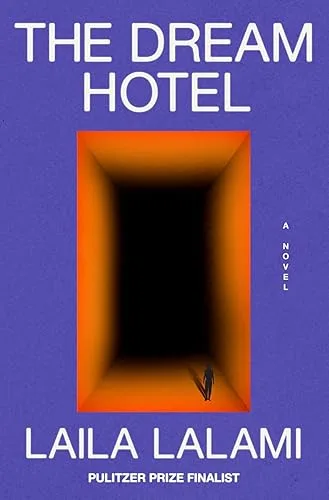
Set in a near-future America, the narrative follows a museum curator named Miina who is detained after an algorithmic prediction identifies her as a potential threat to national security. She is relocated to a detention center disguised as a luxury resort, where residents endure a regimen of psychological monitoring and data extraction. The plot tracks her efforts to maintain her sense of self while navigating a bureaucracy that treats biometric data and subconscious thoughts as evidence of future crimes.
Readers interested in the intersection of artificial intelligence and civil liberties will find a detailed projection of how predictive policing might dismantle private life. This audience seeks a realistic portrayal of state surveillance and the ethical dilemmas of automated justice. The book provides a technical and emotional look at the vulnerability of individual history in a society that prioritizes preemptive security. Those who finish the work gain a sober perspective on how language and memory function as tools of resistance against algorithmic control.
Insights from The Dream Hotel
Every algorithm in the story feels like a silent juror. It captures how easily we hand our freedom over to a machine that cannot feel guilt.
Cassie being flagged for a crime she hasn't even thought of yet is terrifying. It shows how math can be used to manufacture a person's guilt.
“The algorithm wasn't just a tool; it was a prophecy.”
The Dream Hotel sounds like a vacation spot. In reality, it is just a polite name for a cage built out of data points.
Watching the characters navigate the 'predictive' system made me look at my own phone differently. We are all just feeding the beast that might eventually bite us.
- Published
- 2025
- Publisher
- Pantheon
- ISBN
- 9780593317617
- Language
- EN