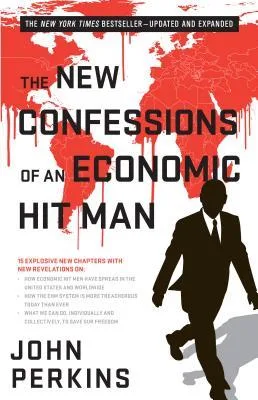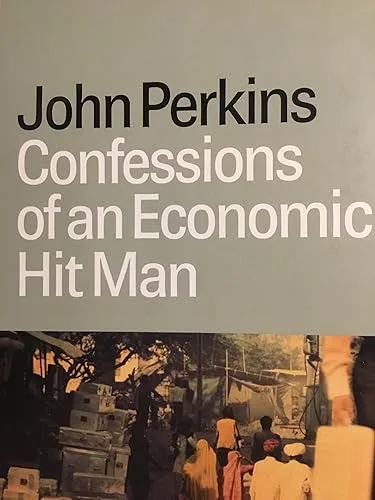
John Perkins details his career as a consultant for MAIN, where he manipulated developing nations into accepting massive infrastructure loans. He describes a system where international corporations and the U.S. government used inflated economic forecasts to saddle countries with debts they could never repay. These projects, designed to enrich American construction firms, forced world leaders to trade political loyalty and natural resources for debt relief. Perkins outlines specific interactions in Ecuador, Panama, and Indonesia, explaining how the refusal to cooperate often led to intervention by paramilitary forces or political assassinations.
Public policy students and investment professionals read this book to understand the mechanisms of neocolonialism and the hidden costs of global development projects. It provides a bridge between corporate finance and geopolitical strategy, showing how debt acts as a tool for geopolitical control. Readers walk away with a cynical framework for analyzing foreign aid and a clearer understanding of how private interests influence international trade agreements. This text serves as a case study for those questioning the ethics of modern globalization and the structural origins of global wealth inequality.
Outward-looking, growth-minded and clear-cut; a moderate read.
Best for readers like The Practical Optimizer. Which reader are you?
- Published
- 2005
- Language
- EN