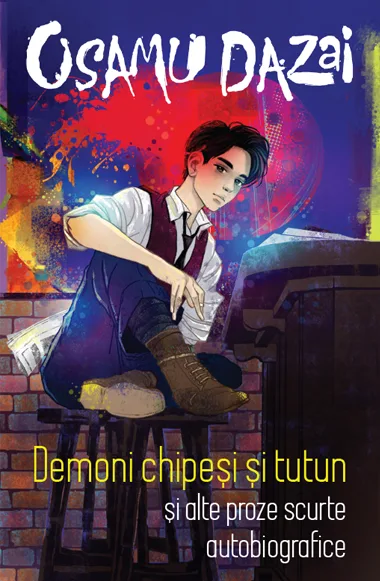
This collection gathers short stories and essays written by Osamu Dazai during the years following the Second World War. The text follows protagonists who mirror the author’s own experiences with nicotine addiction, social isolation, and the collapse of traditional Japanese values. Dazai focuses on the friction between masculine vulnerability and the rigid expectations of a rebuilding society. The narratives utilize a confessional style to document self-destructive habits, fiscal instability, and the psychological weight of living in a fractured, post-imperial landscape.
Readers interested in the history of Japanese modernism and autobiographical fiction value this book for its lack of artifice regarding mental health and failure. It serves those who study the I-novel genre and the specific cultural atmosphere of the Showa era. By the end, the reader understands the internal logic of a person who feels entirely disconnected from their peers. The book provides a technical look at how personal shame and dark humor function as defense mechanisms against a reality of chronic despair.
Insights from Demoni chipeși și tutun
“Sunt un om care nu face nimic, un om inutil.”
Dazai scrie despre eșec de parcă ar fi o artă nobilă. Te face să simți că a fi un ratat e singura formă sinceră de existență.
Povestea cu maimuța din tren e de o tristețe absurdă. Uneori suntem doar niște spectatori care judecă fără să înțeleagă nimic.
Tutunul e singura lui ancoră în realitate. Fără viciile astea mici, personajele s-ar evapora pur și simplu de atâta anxietate.
“Chipul unui demon e mai frumos decât cel al unui sfânt.”
M-a lovit faza cu demoneii chipeși care ne bântuie gândurile. Suntem obsedați de imaginea noastră chiar și când ne prăbușim în gol.
- Published
- 2022
- Publisher
- Alice Books
- ISBN
- 9786069544037
- Language
- RO