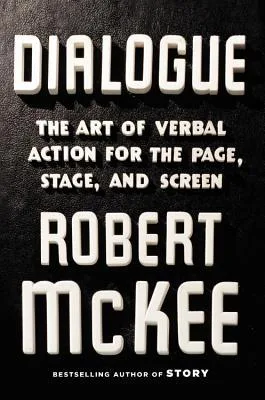
Dialogue: The Art of Verbal Action for Page, Stage, and Screen
Robert McKee analyzes the mechanics of speech by categorizing dialogue into three distinct functions: exposition, characterization, and action. He argues that effective dialogue is not a literal transcription of reality but a stylized representation of human conflict. The text outlines a framework for constructing scenes where characters use language as a strategic tool to bypass obstacles and achieve specific objectives. McKee examines the technical differences between writing for the page, stage, and screen, focusing on how subtext creates a gap between what a character says and what they actually mean.
Draftsmen, screenwriters, and playwrights use this guide to diagnose static scenes and sharpen verbal pacing. Readers learn how to eliminate repetitive "on-the-nose" writing by layering dialogue with unspoken desires and hidden agendas. The book provides specific techniques for transitioning between narrative description and active speech. By the end, a writer understands how to balance the auditory qualities of a script with the structural requirements of the plot, ensuring every line of dialogue advances the story.
- Published
- 2016
- Language
- EN