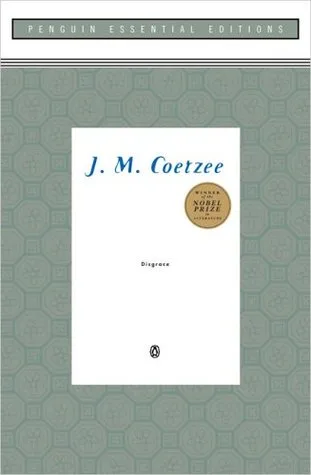
David Lurie, a communications professor in post-apartheid Cape Town, loses his position after an impulsive affair with a student and his subsequent refusal to offer a sincere public apology. He retreats to his daughter Lucy’s remote smallholding in the Eastern Cape, seeking a quiet life of manual labor. However, a violent assault by three local men shatters their domestic peace. Lurie struggles to reconcile his outdated European aesthetic values with Lucy’s pragmatic willingness to endure victimization as a cost of staying on the land.
Readers interested in the politics of land ownership and the psychological shift of the South African transition find this work an unflinching look at power dynamics. It appeals to those who prefer minimalist prose and stories where moral ambiguity remains unresolved. A reader leaves with a specific understanding of how historical guilt and physical vulnerability intersect, as well as a stark view of how personal dignity functions when social status and bodily autonomy are stripped away.
- Published
- 1999
- Language
- EN