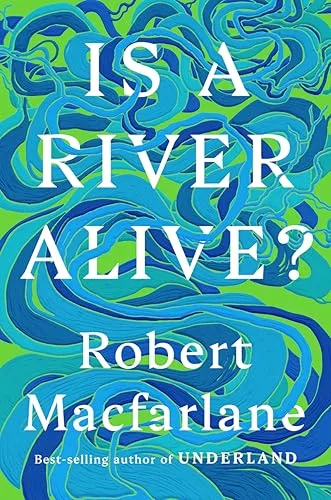
Li An Phoa walked the full length of the River Meuse, documenting how industrial runoff and modern land management turned a source of life into a toxic hazard. Along with Maarten van der Schaaf, she proposes using the "drinkability" of local rivers as the ultimate indicator of planetary health. The text tracks her 1,000-kilometer trek while presenting a framework for ecological indicators that prioritize public health over economic output. It focuses on specific pollutants, the failure of current filtration systems, and the restoration of natural riverbanks to filter heavy metals and nitrates.
This book serves environmental policy makers and community organizers who require a concrete metric for conservation success. Readers learn how to evaluate the water quality in their own watersheds and gain strategies for mobilizing local citizens around river restoration projects. By the final chapter, the reader understands how to advocate for water rights and how municipal choices directly impact the chemical composition of the nearest stream. It provides a practical vision for transforming contaminated waterways back into potable community resources.
Insights from Drinkable Rivers
Walking the length of a river changes how you see land. Every farm and factory upstream eventually ends up in your glass.
“If we can drink from our rivers again, it means that our whole way of life is healthy.”
Water is the world's best mirror. If a river is too dirty to drink, our society is probably sick too.
“We have turned our backs to the rivers.”
Most of us treat rivers like backyards or drains. We forgot they are actually the veins that keep us alive.
“To walk is to see.”
Li An spent sixty days walking the Meuse. She found that connection grows through physical distance and sore feet.
- Published
- 2023
- ISBN
- 9789045049311
- Language
- EN