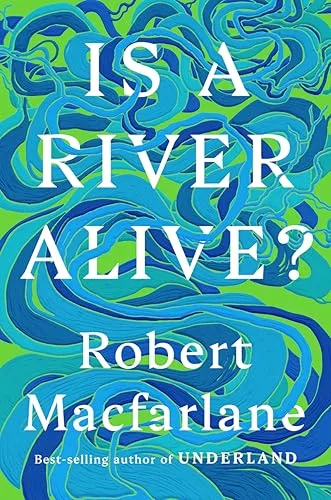
Robert Macfarlane examines the global legal movement to grant personhood to waterways, analyzing the Whanganui River in New Zealand and the Magpie River in Canada as primary case studies. He documents the shift from viewing rivers as extractive resources to recognizing them as living entities with enforceable rights. The text details how indigenous knowledge systems and environmental law intersect to challenge Western property frameworks. Macfarlane uses field reports and scientific observations to describe the hydraulic and biological processes that define a river’s metabolic life.
The book is written for environmental lawyers, hydrologists, and readers interested in the intersection of ecology and deep time. It provides a technical and philosophical basis for understanding how human logic can accommodate the agency of the natural world. Readers gain a specific understanding of the legislative mechanics behind the Rights of Nature movement. They finish with a framework for evaluating the ecological health of landscapes through a lens of legal standing rather than mere conservation.
- Published
- 2025
- Language
- EN