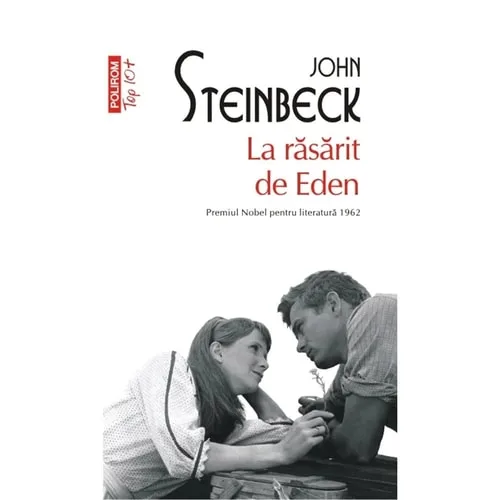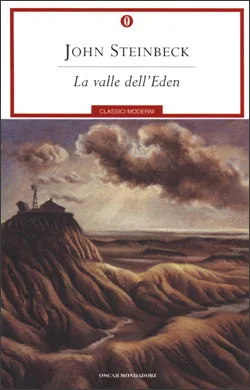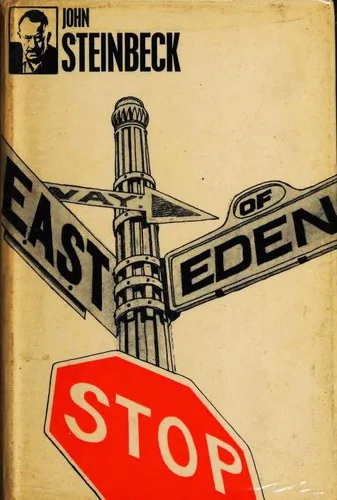
Set in the Salinas Valley between the Civil War and World War I, the narrative tracks the interconnected fates of the Trask and Hamilton families. Adam Trask settles in California with his wife Cathy, a woman of calculated cruelty who deserts him and their twin sons, Caleb and Aron. The story centers on the psychological struggle between these brothers as they compete for their father’s approval, paralleling the biblical conflict of Cain and Abel. Through the guidance of the servant Lee, characters confront the Hebrew concept of timshel, the individual’s choice to conquer biological or situational sin.
Readers interested in the intersection of theology and historical fiction find a detailed study of moral agency here. The book appeals to those who study the influence of ancestral trauma on personality development. By the end, a reader gains a framework for understanding human choice as independent of heritage. It provides a look at the agrarian California frontier while offering a specific philosophy on how people navigate the tension between their inherent flaws and their capacity for ethical action.
Insights from East of Eden
“I think there are monsters born in the world to human parents.”
Every person has a secret cellar they keep locked. Cathy makes you realize some people are born without a moral compass. It is terrifying to realize some hearts are just empty.
Samuel Hamilton finds water in a dry valley but cannot save his own family from sadness. Being kind and clever does not protect you from grief. It just makes the burden easier for others to carry.
“A man's love is a lonely thing.”
Adam Trask spent years loving a version of a woman that never existed. He was in love with a ghost while she was sitting right there. We often prefer our own hallucinations to the truth.
Lee is the smartest person in the house but stays in the background. he sees everything clearly because he is not trying to win. Wisdom often looks like quiet Service.
- Published
- 1952
- Publisher
- Penguin Books
- ISBN
- 9780142000656
- Language
- EN
Quotes by John Steinbeck
More →Power does not corrupt. Fear corrupts, perhaps the fear of a loss of power.
The Short Reign of Pippin IV