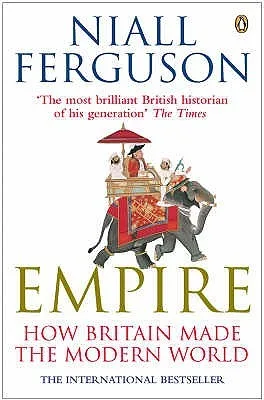
Niall Ferguson argues that the British Empire acted as the primary engine for global modernization, exporting capitalism, parliamentary democracy, and the English language across the globe. He tracks the empire’s evolution from privateer ventures in the Caribbean and trade monopolies in India to a massive administrative machine. The text highlights how British naval dominance facilitated international commerce and why the export of capital and legal systems created the foundations for modern financial markets. Ferguson specifically identifies the abolition of the slave trade and the defeat of totalist twentieth-century rivals as the empire's moral justifications.
History students and political realists read this book to understand the structural inheritance of the current world order. The book provides a defense of liberal imperialism, offering readers a framework to analyze how global hegemony functions through trade and institutional export. A reader walks away with a detailed understanding of the costs and benefits of the British colonial project, gaining a perspective that challenges purely exploitative narratives by emphasizing the long-term infrastructure and legal frameworks left behind in former colonies.
Outward-looking; a moderate read.
Best for readers like The Evidence Seeker. Which reader are you?
- Published
- 2003
- Language
- EN
More by Niall Ferguson
See all →


Books like Empire: How Britain Made the Modern World
See all 12 →