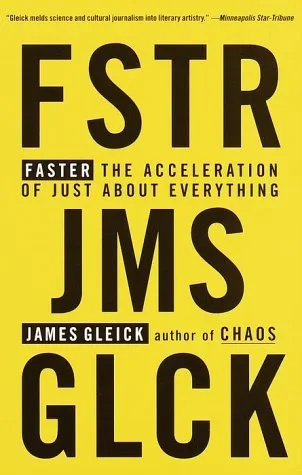
James Gleick examines the psychological and cultural transition toward constant urgency in modern life. He documents the widespread disappearance of boredom and the rise of the "hurry sickness" that defines the electronic age. The book identifies specific technological shifts, such as the introduction of the microwave oven, the proliferation of remote controls, and the instant nature of digital communication, which have recalibrated the human internal clock. Gleick analyzes how people now perceive seconds as significant units of time, leading to a frantic pursuit of efficiency in everything from elevators to fast-food lines.
This book is intended for observers of social trends and technology who feel overwhelmed by the pace of daily existence. Readers gain a clear understanding of the mechanical and social systems that prioritize speed over quality. The text provides a framework for recognizing how time-saving devices paradoxically result in less leisure time. By studying the history of clocks and the evolution of the news cycle, the reader acquires a perspective on why the modern world feels increasingly synchronized and breathless.
- Published
- 1999
- Language
- EN