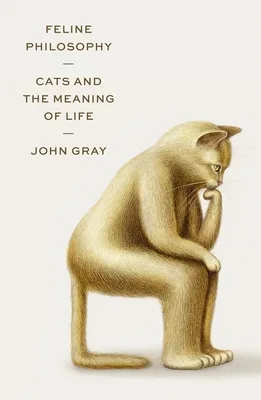
In this philosophical inquiry, John Gray contrasts human anxiety with the natural poise of cats. He argues that humans are burdened by a need for narrative meaning, using religion and morality to escape a persistent fear of mortality and boredom. Cats, however, live without these symbolic distractions, existing in a state of unselfconscious contentment. Gray analyzes the thoughts of thinkers like Spinoza and Schopenhauer against feline behavior to show that cats do not seek a purpose beyond their immediate existence. He replaces the traditional human quest for a good life with ten feline-inspired lessons, emphasizing presence over abstract ambition.
This book is for those interested in Stoicism and the limitations of Western rationalist philosophy. It appeals to readers who question the constant human drive for self-improvement and historical progress. Those who own pets will find a unsentimental framework for understanding animal consciousness. The reader walks away with a perspective that prioritizes sensory reality over intellectual abstraction, learning to value existence without the continuous pressure to justify it through achievement or moral striving.
- Published
- 2020
- Language
- EN
More by John Gray
See all →