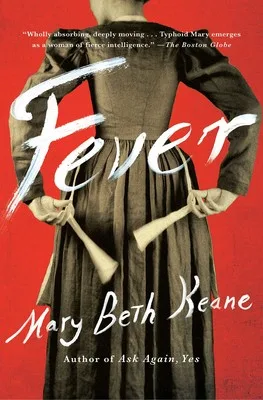
Mary Beth Keane’s historical novel reconstructs the life of Mary Mallon, the Irish immigrant identified by New York health officials as the first asymptomatic carrier of typhoid fever. Set in the early 1900s, the narrative centers on the conflict between Mallon’s refusal to believe she is a threat to others and the aggressive public health measures taken by sanitary engineer George Soper. The story follows Mary from the private kitchens of wealthy Manhattan families to her forced isolation on North Brother Island, documenting the rudimentary epidemiological tracking and legal battles that defined her life.
This book serves readers interested in the tension between individual civil liberties and collective bio-security. It provides a detailed look at the social stigma associated with infectious diseases and the early development of germ theory in America. Readers gain a clear understanding of the transition from miasma-based theories to modern bacteriology. By witnessing Mary's perspective, the audience encounters the human friction that occurs when evolving medical protocols collide with personal autonomy and the necessity of earning a living through manual labor.
Balanced in tone; a moderate read.
Best for readers like The Story Seeker. Which reader are you?
- Published
- 2013
- Language
- EN