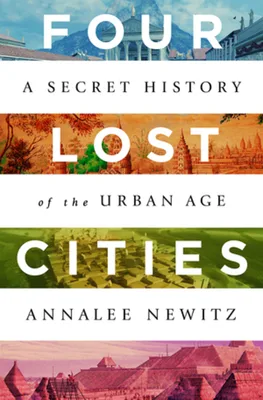
Annalee Newitz investigates the lifespans of four ancient metropolises: Çatalhöyük, Pompeii, Angkor, and Cahokia. The narrative focuses on how these urban centers functioned as hubs of labor and social organization before their eventual abandonment. Newitz highlights specific archaeological findings, such as the indoor domestic murals in Neolithic Turkey and the sophisticated hydraulic engineering of the Khmer Empire. Instead of attributing their decline to sudden cataclysms, the text argues that political instability, environmental changes, and shifting labor markets drove residents to migrate elsewhere over generations.
Archaeology enthusiasts and urban planners read this book to understand the cyclical nature of human settlement. It provides a historical perspective on how infrastructure and government policy dictate the longevity of a city. Readers walk away with a clear view of how ancient people managed sanitation, food distribution, and social inequality. The material offers practical parallels between the collapse of past civilizations and the challenges facing contemporary urban environments, stripping away the mystery often associated with "lost" cultures to reveal logical patterns of human movement.
- Published
- 2021
- Language
- EN
More by Annalee Newitz
See all →

Readers also enjoyed