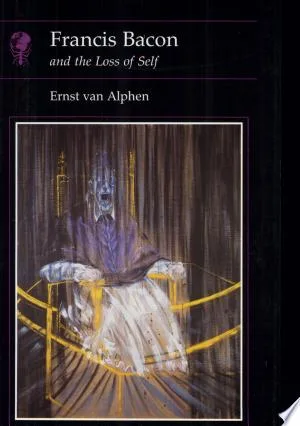
Ernst van Alphen shifts the focus of Francis Bacon’s scholarship from the depicted agony within the frame to the psychological impact exerted upon the observer. He argues that Bacon’s distorted figures and clinical spaces do not merely illustrate trauma but actively dismantle the viewer's sense of stable identity. Using frameworks from clinical schizophrenia, masculine identity, and visual theory, van Alphen analyzes how the paintings disrupt the traditional act of looking. He examines specific compositions and spatial voids to demonstrate how Bacon bypasses narrative representation to trigger a direct, visceral loss of self in the person standing before the canvas.
This text serves art historians, cultural theorists, and students of visual perception who seek a rigorous alternative to biographical or expressionist readings of Bacon’s work. Readers gain a technical vocabulary for discussing how non-narrative art affects the human psyche and the body. By the end, they understand the mechanisms through which visual representation can challenge the boundaries of the ego, providing a specific critical framework for analyzing the intersection of high modernism and psychological disintegration.
Deep and open-ended; a demanding read.
Best for readers like The Wisdom Collector. Which reader are you?
- Published
- 1992
- Publisher
- Reaktion Books
- ISBN
- 9780948462344
- Language
- EN