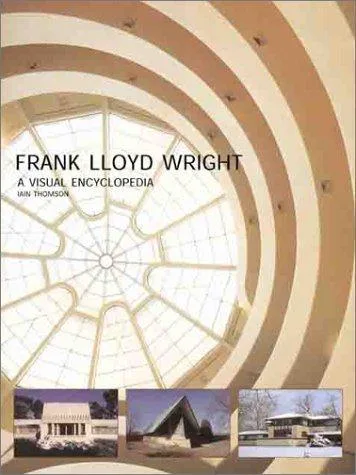
Iain Thomson traces the professional evolution and turbulent personal life of Frank Lloyd Wright, focusing on the development of organic architecture. The text examines how Wright integrated structural forms with their natural environments, detailing specific projects such as the horizontal aesthetic of the Prairie Houses and the engineering of Fallingwater. Thomson documents Wright's apprenticeship under Louis Sullivan, the establishment of the Taliesin fellowship, and his persistent rejection of European modernism in favor of a distinctly American spatial philosophy.
Students of architectural history and design enthusiasts use this book to understand the technical evolution of residential and commercial structures throughout the twentieth century. Readers obtain a clear timeline of Wright’s stylistic shifts and an analysis of how his private controversies influenced his public commissions. The volume provides a foundational overview of how material selection and site orientation define the Usonian ideal, leaving the reader with a functional knowledge of Wright’s impact on modern urban planning.
- Published
- 1997
- Language
- EN