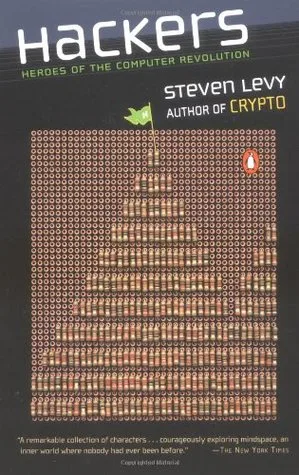
Steven Levy chronicles the evolution of computing culture from the 1950s MIT laboratories to the 1980s personal computer industry. He defines the Hacker Ethic, a set of principles prioritizing free access to information and the improvement of systems through hands-on experimentation. The narrative follows technical pioneers at the Model Railroad Club, the Homebrew Computer Club members who built the Altair, and the early game developers at Sierra On-Line. Levy details how these programmers viewed elegant code as a form of art and resisted bureaucratic control over machine time.
This book serves engineers, historians, and open-source advocates seeking to understand the origins of modern digital philosophy. Readers learn how specific technical constraints of early hardware forced the creative problem-solving that defined the industry. It provides a historical perspective on the tension between commercial intellectual property and the collaborative spirit of academia. By finishing the text, the reader gains a clear map of how a niche hobby in university basements transformed into a global consumer economy driven by individual hackers.
Outward-looking and clear-cut; a moderate read.
Best for readers like The Evidence Seeker. Which reader are you?
- Published
- 1984
- Language
- EN