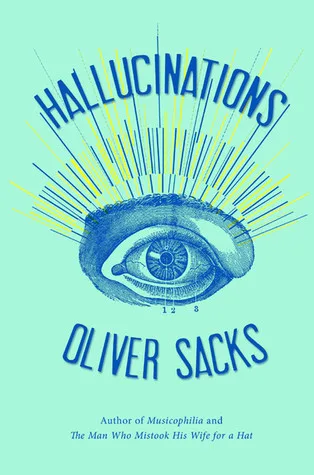
In this work, Oliver Sacks investigates the sensory errors of the human brain, categorizing hallucinations caused by medical conditions and chemical triggers. He details the Charles Bonnet syndrome, where the blind see vivid patterns or faces, and examines the complex geometric visuals associated with migraines and epilepsy. Sacks documents specific auditory distortions, phantom limb sensations, and the altered perceptions induced by Parkinson’s medications. To broaden the clinical scope, he includes his own adolescent experiences with hallucinogenic substances, illustrating how the mind constructs reality without external stimuli.
Readers interested in neurology and the mechanics of perception use this book to de-stigmatize mental anomalies. It appeals to those who want to understand why the brain generates false signals during sleep deprivation or grief. The reader gains a technical vocabulary for describing sensory phenomena and learns that seeing things that are not there is an organic byproduct of brain function rather than a sign of madness. You finish the text with a functional map of how physical brain architecture shapes conscious experience.
- Published
- 2012
- Language
- EN