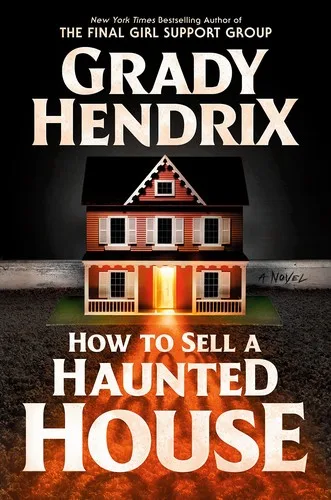
When Louise Joyner’s parents die in a sudden car accident, she returns to her childhood home in Charleston to settle their estate. She is forced to collaborate with her estranged, resentful brother, Mark, to clean out a house overflowing with her mother’s extensive collection of handmade puppets and antique dolls. As the siblings argue over the inheritance, the inanimate objects begin to move of their own accord. They soon discover that a malevolent entity named Pupkin, a favorite childhood puppet, is physically preventing the sale of the house through violent, supernatural sabotage.
This novel serves fans of Southern Gothic horror who value the intersection of dark humor and family dysfunction. Readers pick this up for the visceral puppet-based scares and stay for the depiction of how unresolved childhood trauma manifests between adult siblings. By the end, the reader understands how shared grief can both dismantle and rebuild a family. It provides a specific look at the burdens of physical inheritance and the difficulty of discarding a past that refuses to stay buried.
Insights from How to Sell a Haunted House
“Every house is a haunted house if it’s old enough.”
Losing parents means dealing with the junk they left behind. Sorting through old closets feels like a second funeral you weren't ready for.
“Family is a wound that never heals.”
Louise and Mark hate each other because they remember different versions of their childhood. Neither sibling is right. They are just both hurting.
“Puppets aren’t real. They’re just ideas with hair.”
Old toys are creepy because they hold onto feelings we outgrew. Pupkin is terrifying because he represents every childhood lie told to keep the peace.
Grief makes people do irrational things with money and real estate. Selling a house is just a polite way of trying to bury the past.
- Published
- 2022
- Publisher
- Berkley
- ISBN
- 9780593201268
- Language
- EN