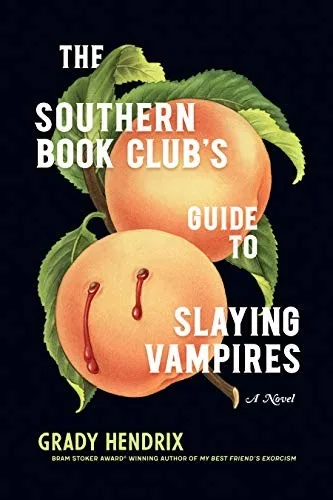
Set in suburban Charleston during the 1990s, the story follows Patricia Campbell, a bored housewife whose life revolves around her children, her physician husband, and her true-crime book club. Her domestic routine shatters when James Harris, a mysterious and charismatic stranger, moves into the neighborhood. After a series of gruesome attacks on local children and the suspicious disappearance of several Black residents in a neighboring community, Patricia suspects James is a supernatural predator. While the men in her life dismiss her concerns as hysterics, Patricia and her fellow book club members must risk their social standing and physical safety to hunt a vampire hiding in plain sight.
Readers who enjoy dark humor mixed with visceral body horror will find this narrative effective. It appeals to audiences interested in the specific social dynamics of the American South and the historical dismissal of female intuition. The book provides a look at the trade-offs women make for communal stability and the lengths they go to when protecting their families. Ultimately, the reader gains a perspective on how monsters thrive in environments where politeness and reputation are valued above uncomfortable truths and the safety of marginalized neighbors.
Insights from The Southern Book Club's Guide to Slaying Vampires
“I'm not having a nervous breakdown, Carter. I'm having a vampire.”
Patricia's husband keeps telling her she is just stressed. It is scary how easily men dismiss women to keep their own lives comfortable.
James Harris looks like a savior because he is polite. Neighbors ignore his stench because he has good manners and money.
“Housewives are the only ones who know what's going on.”
The women in the book club protect each other when the police won't. They do the dirty work while their husbands play golf.
Mrs. Greene's community gets targeted because nobody in the suburbs cares. Predators always find the people who are already being ignored.
- Published
- 2020
- Publisher
- Quirk Books
- Language
- EN