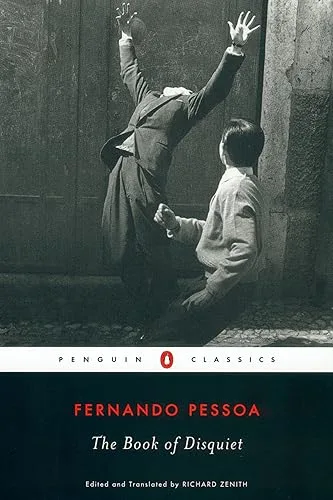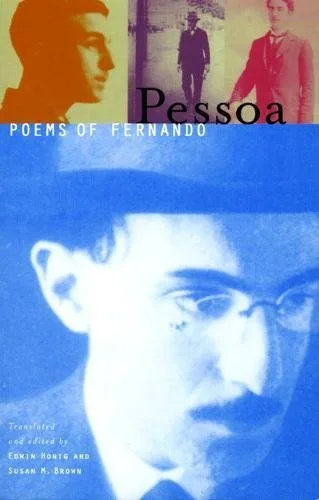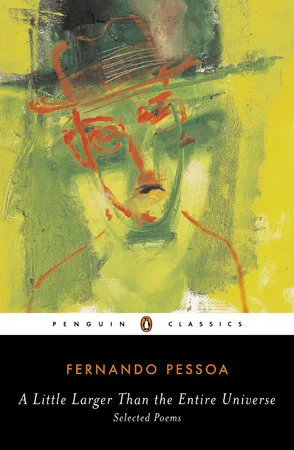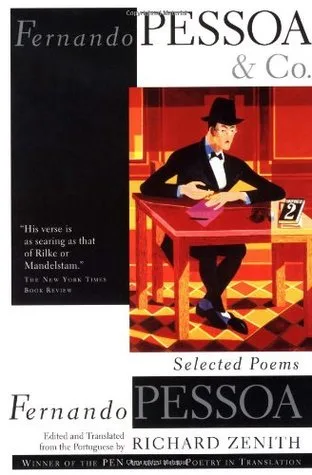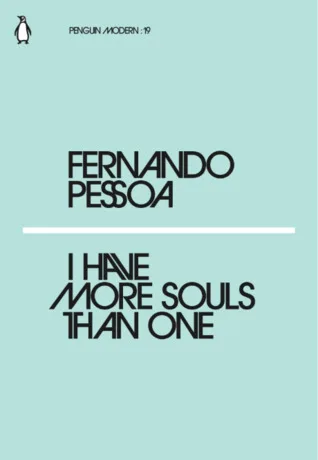
Fernando Pessoa’s collection presents a fragmented psychic landscape organized through his system of heteronyms. Rather than writing under a single identity, Pessoa utilizes distinct personas like Alberto Caeiro, Ricardo Reis, and Alvaro de Campos to articulate conflicting philosophies. Caeiro advocates for a purely sensory, non-intellectual engagement with nature, while Reis focuses on stoic, Horatian restraint and classicism. Meanwhile, the naval engineer De Campos expresses modernism through chaotic, urban energy and Futurist sentiment. The poems investigate the instability of the self and the impossibility of a unified consciousness.
Readers interested in the intersection of psychology and literary structure typically turn to this work to understand the breakdown of the traditional ego. It attracts those who value intellectual irony and the tension between existence and thought. The reader gains a framework for viewing personhood as a theatrical performance rather than a single, static truth. One finishes the text with a technical understanding of how different aesthetic masks can coexist within a single body to express contradictory views on time, nature, and the void.
- Published
- 1918
- Language
- EN