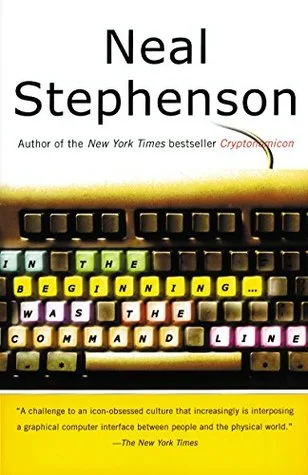
Neal Stephenson analyzes the evolution of operating systems, comparing the cultural dominance of Microsoft Windows and Apple’s Mac OS to the technical rigor of Linux and BeOS. He argues that the transition from text-based command lines to graphical user interfaces traded internal sovereignty for convenience, turning computers into closed appliances rather than malleable tools. Using metaphors of Disney-like theme parks for polished interfaces and rugged tanks for open-source software, he examines how hidden layers of abstraction distance modern users from the underlying machine logic and proprietary code.
Technology enthusiasts and software engineers read this book to understand the historical shift in human-computer interaction. It appeals to those interested in the philosophy of open-source development versus corporate control. Readers walk away with a framework for evaluating how business models dictate software design and an appreciation for the precision of the command line. The text provides a historical snapshot of the late 1990s tech landscape while questioning whether technical literacy is sacrificed for visual aesthetics in digital environments.
Outward-looking; a moderate read.
Best for readers like The Evidence Seeker. Which reader are you?
- Published
- 1999
- Language
- EN
More by Neal Stephenson
See all →




Books like In the Beginning...Was the Command Line
See all 12 →