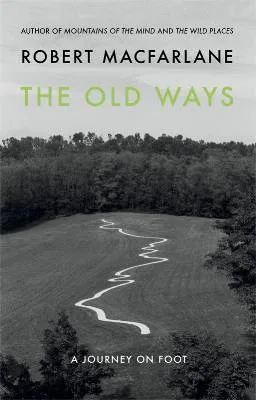
Robert Macfarlane tracks the ancient routes that crisscross Britain and beyond, following chalk paths, silted sea-tracks, and mountain ridges. He argues that the landscape shapes human thought and language, documenting his walks along the Icknield Way and the dangerous Broomway sea-road. The narrative links physical geography to the history of those who traveled these trails before, focusing on the relationship between movement and the creative mind. Macfarlane examines geological formations and botanical shifts to show how walking functions as a form of sensory archaeology.
Readers interested in the intersection of natural history and local lore find a practical framework for connecting with their surroundings through slow movement. The book serves those seeking to understand how the physical environment influences internal psychology and memory. It appeals to hikers and historians who want to recognize the visible traces of human heritage in the soil. One finishes the text with a heightened awareness of the ecological narratives embedded in every footstep and a renewed perspective on how paths keep the past active in the present.
- Published
- 2012
- Language
- EN