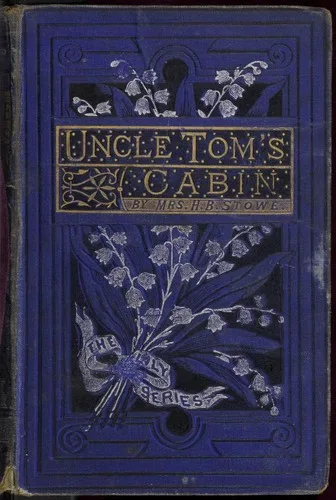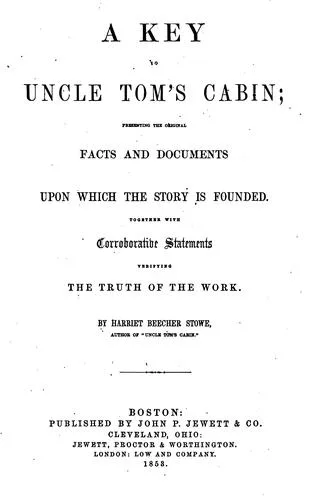
Published as a factual defense against accusations of falsehood, this work provides the evidentiary basis for Harriet Beecher Stowe’s famous novel. Stowe categorizes real-life slave auctions, legal advertisements for runaways, and judicial records to prove that the cruelties depicted in her fiction were commonplace. She provides the biographies of actual individuals who inspired characters like Eliza and Uncle Tom, citing specific incidents of physical abuse and family separation found in Southern newspapers. The text analyzes the legislative framework of the mid-nineteenth century, explaining how the Fugitive Slave Act and existing property laws sanctioned human bondage.
Lawyers, historians, and students of American abolitionism read this volume to understand the intersection of 1850s social policy and private practice. It serves as a source for those studying the logistical realities of the domestic slave trade and the formal legal defenses used by enslavers. Readers walk away with a catalog of primary sources and a clear tally of the judicial precedents that upheld the institution of slavery. The book functions as an archive for anyone seeking to verify the historical accuracy of anti-slavery literature through contemporary court documents and public notices.
- Published
- 1850
- Language
- EN
![The United States in Literature [with three long stories] -- Seventh Edition](https://kwbjoqloympvbpzbrfja.supabase.co/storage/v1/object/public/scan-images/catalog/f48162c6-7eb5-41ec-933b-9c4218489c7d-full.webp)