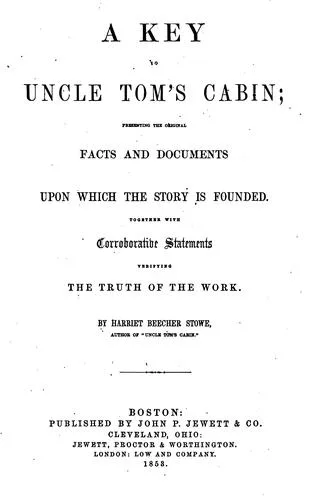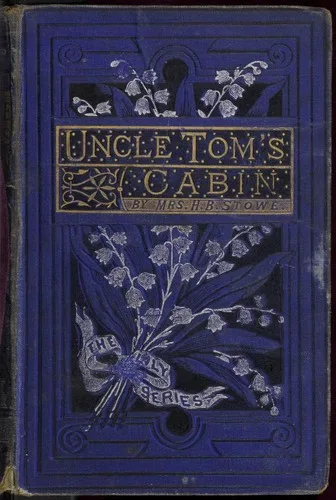
The novel follows the life of Josiah Henson’s fictional counterpart, Uncle Tom, a pious enslaved man sold away from his family in Kentucky. As Tom moves south toward his eventual death under the brutal overseer Simon Legree, he maintains a devout Christian pacifism. His story runs parallel to Eliza’s escape; she flees across the frozen Ohio River with her son to avoid their family’s separation. Through these intersecting lives, the narrative argues that the Fugitive Slave Act and the institution of chattel slavery are fundamentally incompatible with Christian morality and the sanctity of the domestic family unit.
This book serves readers interested in the intersection of mid-nineteenth-century American politics, abolitionist literature, and sentimental fiction. It targets those seeking to understand the specific rhetorical strategies used to mobilize Northern public opinion against the South's legal structures before the Civil War. A reader walks away with a clear view of how domestic sentiment and religious conviction were leveraged to challenge the legality of human property. They gain a historical perspective on the stereotypes and narrative frameworks that shaped American racial discourse for over a century.
- Published
- 1850
- Language
- EN

![The United States in Literature [with three long stories] -- Seventh Edition](https://kwbjoqloympvbpzbrfja.supabase.co/storage/v1/object/public/scan-images/catalog/f48162c6-7eb5-41ec-933b-9c4218489c7d-full.webp)