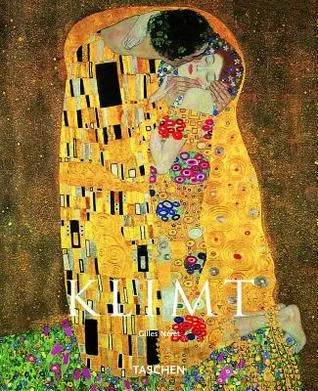
Gilles Néret chronicles the career of Gustav Klimt, focusing on his leadership within the Vienna Secession and his subsequent transition into his decorative Golden Phase. The text analyzes how Klimt integrated Byzantine mosaic patterns and Japanese woodblock aesthetics into portraiture to represent the female form during the Fin de Siècle. Néret examines the controversy surrounding the University of Vienna Ceiling Paintings, where Klimt’s allegorical depictions of Philosophy, Medicine, and Jurisprudence were rejected for their frank eroticism and perceived pessimism regarding human rationality.
Art history students and enthusiasts of Art Nouveau read this volume to understand the specific symbols and techniques Klimt employed in works like The Kiss. The book functions as a visual reference for those studying the intersection of architectural decoration and portrait painting. Readers walk away with a clear timeline of Klimt's stylistic evolution and an understanding of how his decorative landscapes and square-format canvases challenged the academic standards of the late nineteenth century.
Practical, outward-looking and clear-cut; an easy read.
Best for readers like The Practical Optimizer. Which reader are you?
- Published
- 1992
- Language
- EN