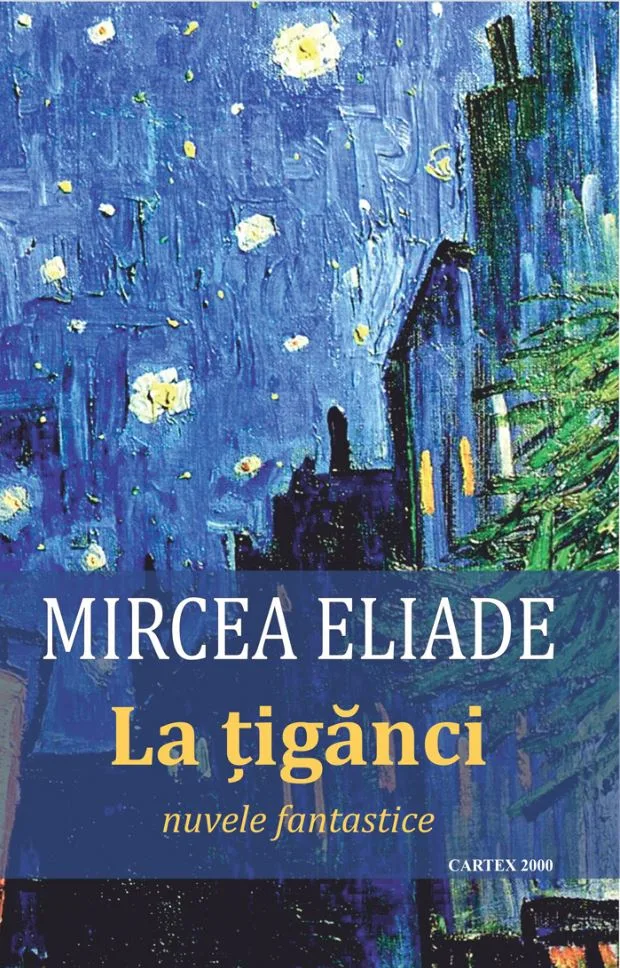
Gavrilescu, an aging piano teacher living in Bucharest, seeks refuge from the oppressive summer heat behind the high garden walls of a property known as "The Gypsies." After paying his entry fee, he enters a labyrinthine house where time ceases to function according to physical laws. He encounters three women—a Greek, a Jewess, and a Gypsy—who subject him to a series of sensory tests and riddles. When he finally emerges back into the city, he discovers that decades have passed in the span of a single afternoon, and his former life has completely vanished.
This novella serves readers interested in the intersection of traditional folklore and metaphysical philosophy. It attracts those who study how mythological structures manifest within the modern world. The reader gains a specific perspective on the transition between life and death as an escape from the limitations of chronological time. By following Gavrilescu’s confusion, the audience observes the mechanics of a labyrinth and the way human memory fails to grasp the sacred interruptions that occur within a secular landscape.
Insights from La ţigănci
“Prea târziu, a optat Gavrilescu.”
Gavrilescu se pierde într-o lume unde timpul stă pe loc. E ciudat cum o simplă pauză la umbră îi schimbă toată viața.
“Sunt artist, madam.”
Pianul e singura lui ancoră în realitate. Fără arta lui, bărbatul ăsta pare doar un străin purtat de vânt prin București.
“La Țigănci, toată lumea știe.”
Căldura aia sufocantă din tramvai te face să simți oboseala lui. Uneori, canicula e doar un prag spre altceva.
“Ghicește-o pe cea de-a treia.”
Fetele de la bordel nu sunt ce par a fi la început. Ele par gardienii unei lumi unde regulile de afară nu mai contează.
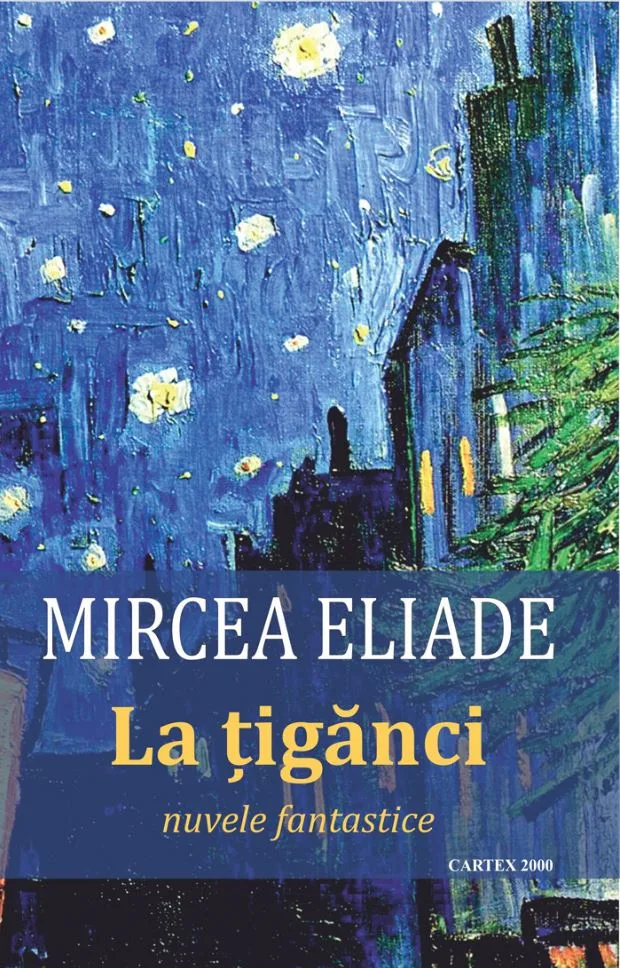
- Published
- 1957
- Publisher
- Cartex 2000
- ISBN
- 9789733511069
- Language
- RO

![उस रात के बाद [Us Raat Ke Baad]](https://kwbjoqloympvbpzbrfja.supabase.co/storage/v1/object/public/scan-images/catalog/53673b08-18d0-4f03-8e5f-04a98899e36f-full.webp)