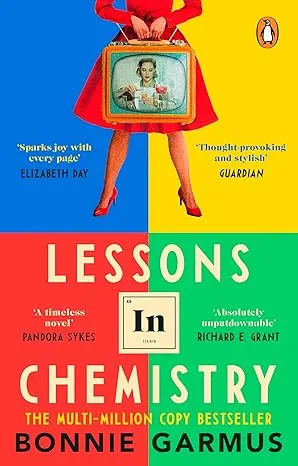
In 1960s California, chemist Elizabeth Zott resists the period’s rigid structural sexism while working at the Hastings Research Institute. After facing professional sabotage and the loss of her partner, Calvin Evans, Zott reluctantly becomes the host of a television cooking program called Supper at Six. Rather than following traditional domestic scripts, she uses the platform to teach her female audience the chemical principles of food preparation, such as the catalysis of ingredients and molecular bonds. Through this scientific lens, she encourages women to question the status quo and reclaim their intellectual agency.
This book serves readers interested in the history of gender inequality and the systemic barriers faced by women in STEM fields. It appeals to those looking for a narrative about scientific integrity and the rejection of social conformity. Readers finish the story with an understanding of how individual defiance can challenge institutional prejudices. It offers a clear look at the intersection of chemistry and domestic labor, providing a perspective on how technical knowledge empowers people to define their own lives outside of societal expectations.
Insights from Lessons in Chemistry
Harriet is stuck in a marriage that feels like a cage. Her friendship with Elizabeth is the only place she feels truly seen.
Living as a single mother in the fifties looked like a constant battle for basic respect. Even buying a house was a radical act.
“Cooking is chemistry. And chemistry is life.”
Elizabeth treats cooking like a laboratory experiment. It makes me realize how much skill we dismiss as just domestic work.
“Courage is the root of change.”
Six-Thirty is more observant than most people in the room. He shows how much we miss when we assume animals don't understand us.
- Published
- 2022
- Publisher
- Doubleday Books
- Language
- EN
More by Bonnie Garmus
See all →



Readers also enjoyed