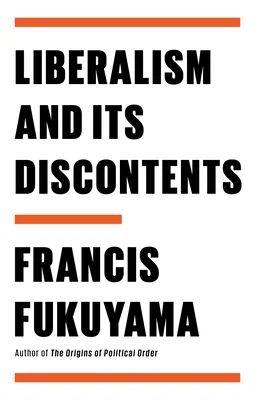
Francis Fukuyama defends classical liberalism against contemporary threats from both the populist right and the identity-focused left. He defines liberalism as a system built on individual rights, the rule of law, and a shared commitment to empirical truth. The book identifies how these principles have been distorted by neoliberal economic extremism, which overemphasizes market deregulation, and by shifts in progressive thought that prioritize group identity over universal human agency. Fukuyama argues that these ideological fringes have eroded the core liberal virtue of moderation, leading to social fragmentation and the weakening of democratic institutions.
This book is written for political theorists, policy analysts, and citizens concerned about the decline of institutional stability in Western democracies. Readers will find a historical defense of secularism and tolerance as tools for managing diverse societies without violence. By the end, the reader gains a framework for distinguishing between foundational liberal values and the radical offshoots that currently threaten them. It provides a specific case for returning to a version of liberalism defined by self-restraint and the protection of private autonomy from state and social overreach.
- Published
- 2022
- Language
- EN
More by Francis Fukuyama
See all →





Readers also enjoyed