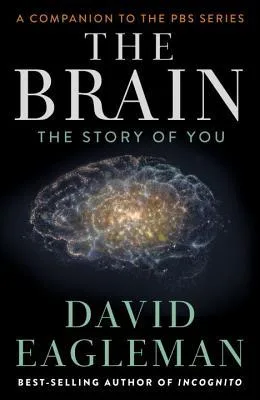
David Eagleman argues that the brain is not a static organ with fixed circuitry but a dynamic system that constantly reconfigures itself based on sensory input. He introduces the term livewiring to replace the common concept of plasticity, explaining how neurons compete for territory to represent bodily functions and environmental data. The book details specific mechanisms such as how the visual cortex recruits neighboring regions during periods of darkness or how the brain integrates prosthetic limbs and novel sensory vests as if they were biological appendages. Eagleman connects these biological processes to the evolution of human intelligence and the ability to adapt to diverse technological environments.
Curious readers and students of neuroscience read this book to understand the biological basis of learning and recovery. It provides scientists and engineers with a framework for how the brain processes information, which is useful for those interested in sensory substitution and artificial intelligence. The reader gains a technical understanding of why human brains remain flexible long after childhood development ends. By the final chapter, one understands how the brain functions as a versatile machine that treats the physical body as mere hardware meant to be optimized through experience.
- Published
- 2014
- Language
- EN